That's the same as replacement. You have an old system that keeps breaking.
Downtime Costs: Lost Customers, Lost Sales
Downtime impact
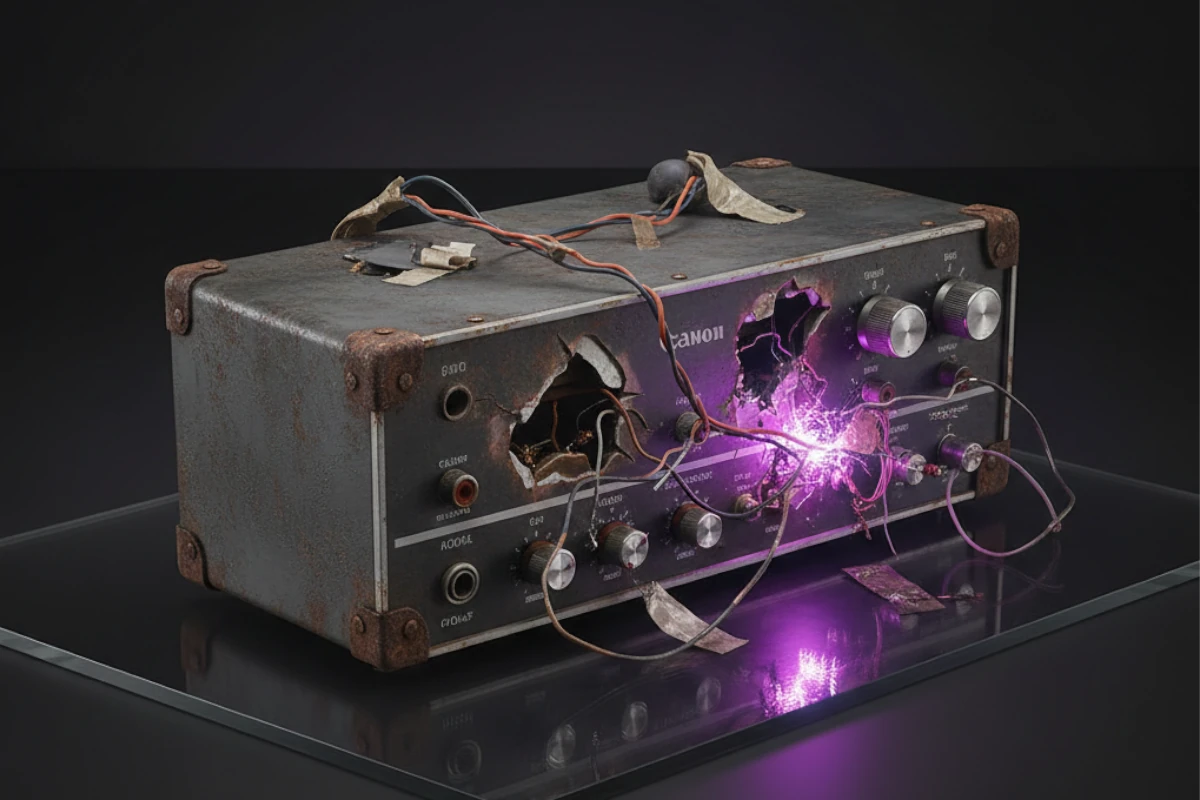
When your audio system breaks, your business suffers.
Restaurant Example:
System breaks during Friday dinner rush
No music = worse atmosphere
Customers notice, leave faster
Lost sales: $500-$1,000 per night
Repair takes 3 days = $1,500-$3,000 in lost sales
Salon Example:
No music during service
Clients notice the silence
Unhappy experience = fewer return visits
Lost future revenue: hard to measure, real
Retail Store Example:
Dead zones (areas with no sound)
Customers notice, feel uncomfortable
Leave faster, buy less
Lost sales: $200-$500 per day
The 50% Rule
Fifty percent rule
Here's a rule: If your repair costs more than 50% of replacement cost, consider replacing.
Why? Because:
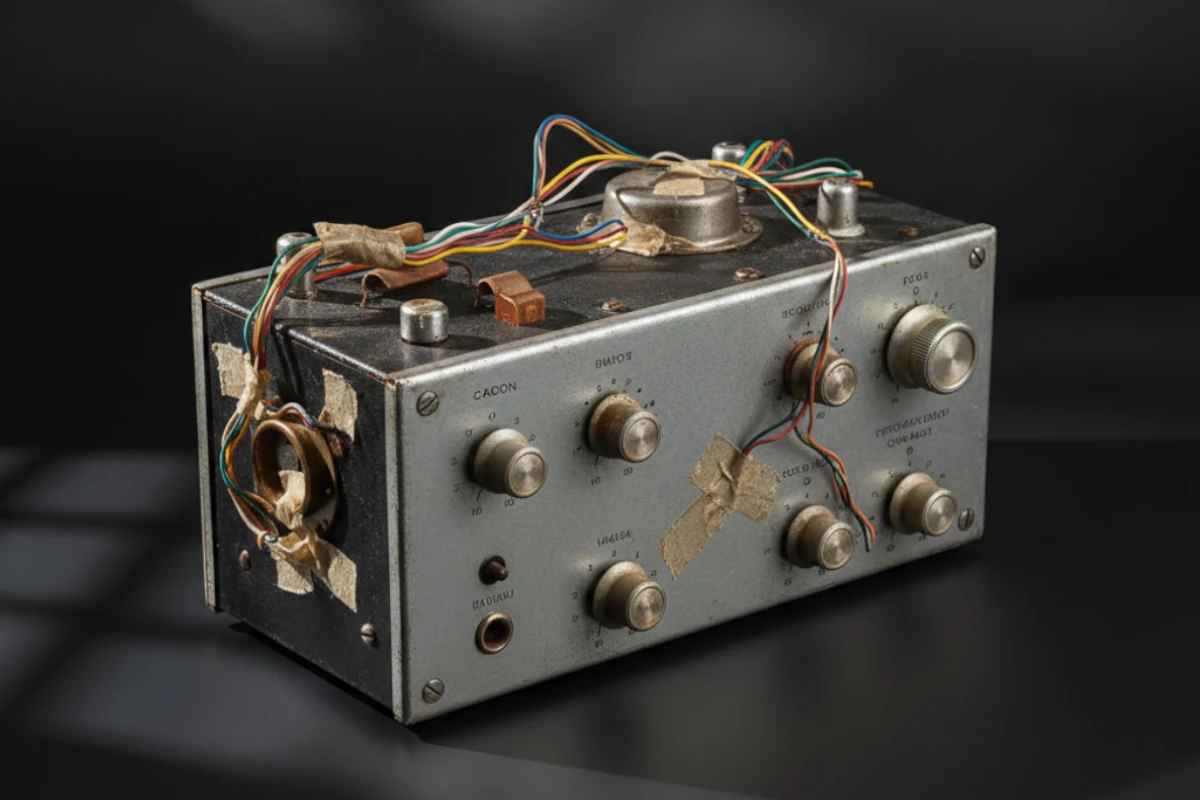
Old systems break more
Future repairs add up
New systems come with warranties
New systems are more reliable
Age Matters
Age vs cost
Systems 10+ years old cost more to maintain than replace.
Why old systems cost more:
Parts are harder to find (more expensive)
Technology is old (can't upgrade)
More frequent breakdowns
Higher repair costs
Real Example:
12-year-old system: $3,000 repair
New system: $10,000
Old system breaks again in 8 months: another $3,000
Total: $6,000 in repairs vs $10,000 replacement
The old system will break again. The new system won't break for years.
Business Impact: Customers and Staff
Broken audio affects more than your wallet.
Customer Impact:
Bad atmosphere = customers leave faster
Dead zones = uncomfortable experience
No music = feels incomplete
Staff Impact:
Frustration with constant problems
Time wasted dealing with repairs
Lower morale
Now let's look at the decision framework.
The Decision Framework (Works for Any Business)
Decision framework
Here's how it works: Answer 5 questions, get your answer.
Question 1: How Old Is Your System?
Under 5 years: +1 point to REPAIR
5-10 years: 0 points (neutral)
10+ years: +1 point to REPLACE
Why: Newer systems deserve repair. Older systems are money pits.
Question 2: How Often Does It Break?
Never broke before, first time: +2 points to REPAIR
Broke once or twice in past year: +1 point to REPAIR
Breaks every few months: +1 point to REPLACE
Always breaking: +2 points to REPLACE
Why: Fix one-time issues. Frequent problems mean the system is failing.
Question 3: Does It Work for Your Needs?
Works well, broken: +1 point to REPAIR
Works, has minor issues: 0 points (neutral)
Doesn't meet needs (coverage, volume, quality): +2 points to REPLACE
Why: If the system doesn't meet your needs, repair won't help. Replacement will.
Question 4: The Math - Repair Cost vs Replacement Cost
Repair < 30% of replacement cost: +2 points to REPAIR
Repair 30-50% of replacement cost: +1 point to REPAIR
Repair 50-70% of replacement cost: +1 point to REPLACE
Repair > 70% of replacement cost: +2 points to REPLACE
Why: If repair costs as much as replacement, replacement makes more sense.
Question 5: What's the Total Cost Over 2 Years?
Calculate: Repair cost + expected future repairs (use how often it breaks)
Total repairs < replacement cost: +1 point to REPAIR
Total repairs ≈ replacement cost: +1 point to REPLACE
Total repairs > replacement cost: +2 points to REPLACE
Why: Look at total cost over time, not just this one repair.
Your Decision
+4 or more points to REPAIR: Repair it
+4 or more points to REPLACE: Replace it
Tied or close: Consider other factors (downtime cost, business impact, future needs)
Quick Example
Let's walk through a real example:
8-year-old system (0 points - neutral)
Breaks every 3 months (+1 point to REPLACE)
Works fine when it works (0 points - neutral)
Repair is $4K, replacement is $12K (33% = +1 point to REPAIR)
Total repairs over 2 years: $8K vs $12K replacement (+1 point to REPAIR)
Score: +2 REPLACE, +2 REPAIR = Tied
Decision: Close call. Frequent breaks suggest REPLACE. The system is unreliable. You'll spend $8K in repairs over 2 years. Replacement costs $12K. It gives you a reliable system with warranty.
How the Framework Works in Real Life
Example comparison
Let's see how the framework works for different business types.
Replacement: $12,000 (new system, warranty, no problems)
Framework Analysis:
Age: 8 years (0 points)
Frequency: Breaks every 3 months (+1 REPLACE)
Needs: Works when working (0 points)
Cost: $4K vs $12K = 33% (+1 REPAIR)
Total: $8K repairs vs $12K replacement (+1 REPAIR)
Score: +2 REPLACE, +2 REPAIR = Tied
Decision: Replace. Frequent breaks mean unreliable system. $8K in repairs over 2 years. $12K replacement. Replacement gives you reliability and warranty.
Example 2: Salon
Situation:
3-year-old system
One speaker broken (first time)
Repair: $500
Replacement: $6,000
Framework Analysis:
Age: 3 years (+1 REPAIR)
Frequency: First time breaking (+2 REPAIR)
Needs: Works well, broken (+1 REPAIR)
Cost: $500 vs $6,000 = 8% (+2 REPAIR)
Total: $500 repairs vs $6,000 replacement (+1 REPAIR)
Score: +7 REPAIR, +0 REPLACE
Decision: Repair. System is new, one-time issue, repair costs less. No reason to replace.
Total: $800 repairs vs $8,000 replacement (+1 REPAIR)
Score: +7 REPAIR, +0 REPLACE
Decision: Repair. System is new, one-time issue, repair costs less. No reason to replace.
Key Point: Same framework. Different outcomes based on factors. The framework works for all business types.
Mistakes That Cost Money
Here are common mistakes business owners make when deciding to repair or replace.
Mistake 1: Only Looking at Repair Price
The Problem:
You see a $4,000 repair and think it's cheaper than a $12,000 replacement. You're missing:
Downtime costs (lost customers, lost sales)
Future repairs (system will break again)
Business impact (customer experience, staff morale)
The Fix:
Look at total cost over time. Use the framework. Consider all factors, not just price.
Mistake 2: Waiting Too Long
The Problem:
You keep repairing an old system. Each repair costs less than replacement. Repairs add up. Old systems become money pits.
The Fix:
Make the decision when repair costs start adding up. Don't wait until repairs cost more than replacement.
Mistake 3: DIY on Commercial Systems
The Problem:
You try to fix a commercial audio system yourself to save money. Commercial systems need professional service. DIY repairs:
Don't fix the real problem
Void warranties
Cost more in the long run (when you have to call a professional anyway)
The Fix:
Call a professional for commercial equipment. Commercial systems are different from home systems. They need professional service.
Mistake 4: Ignoring Performance Issues
The Problem:
Your system has coverage issues, volume problems, or quality issues. You repair it. Repair doesn't fix performance. The system doesn't meet your needs.
The Fix:
If the system doesn't meet your needs, repair won't help. Consider replacement if needs changed or system never met needs.
Your Next Steps
Here's a quick checklist to help you make your decision:
[ ] Get repair quote
[ ] Get replacement quote
[ ] Check system age
[ ] Count repair frequency
[ ] Calculate total costs (repair + future repairs)
[ ] Consider business impact (downtime, customers, staff)
[ ] Use the framework (answer 5 questions)
[ ] Make decision
When to Get Professional Help
Get professional help if:
Systems with many zones or extra features
Not sure about costs
Want guarantees
Need advice on your specific situation
We can help you:
Get accurate quotes
Understand your options
Make the right decision for your business
Ready to Make the Right Decision?
You now have a framework to decide: repair or replace. The framework works for any business type. Restaurants, salons, retail stores, offices, bars, cafes, and more.
Key Takeaways:
Look at total cost over time, not just repair price
Consider downtime costs and business impact
Use the 5-question framework to make your decision
Don't wait long—old systems become money pits
Download PDF Version
Enter your email to download a PDF version of this guide.
This guide works for all business types. The decision framework is universal. The factors vary by business. Use the framework. Consider your specific situation. Make the decision that's right for your business.